 (1).png)

Summary
Prime Minister Narendra Modi has sent a strong message to the world regarding the ongoing war in Iran. He stated that military conflict is never the right way to solve problems between nations. The Prime Minister called for all sides to show self-control and stop the violence immediately. His comments come at a time when the fighting in the region has reached a dangerous level, worrying leaders across the globe. India is pushing for a return to talk and peaceful meetings to end the crisis.
Main Impact
The war in Iran is causing major problems for the global economy and safety. Because Iran is a key player in the energy market, the fighting has caused oil prices to go up quickly. For India, this is a serious issue because the country buys a lot of oil from the Middle East. If the war continues, the cost of fuel and everyday goods could rise for everyone. Additionally, the conflict puts important trade routes at risk, making it harder for ships to move goods between Asia and Europe. PM Modi’s call for peace is an effort to protect these economic interests and prevent a larger global crisis.
Key Details
What Happened
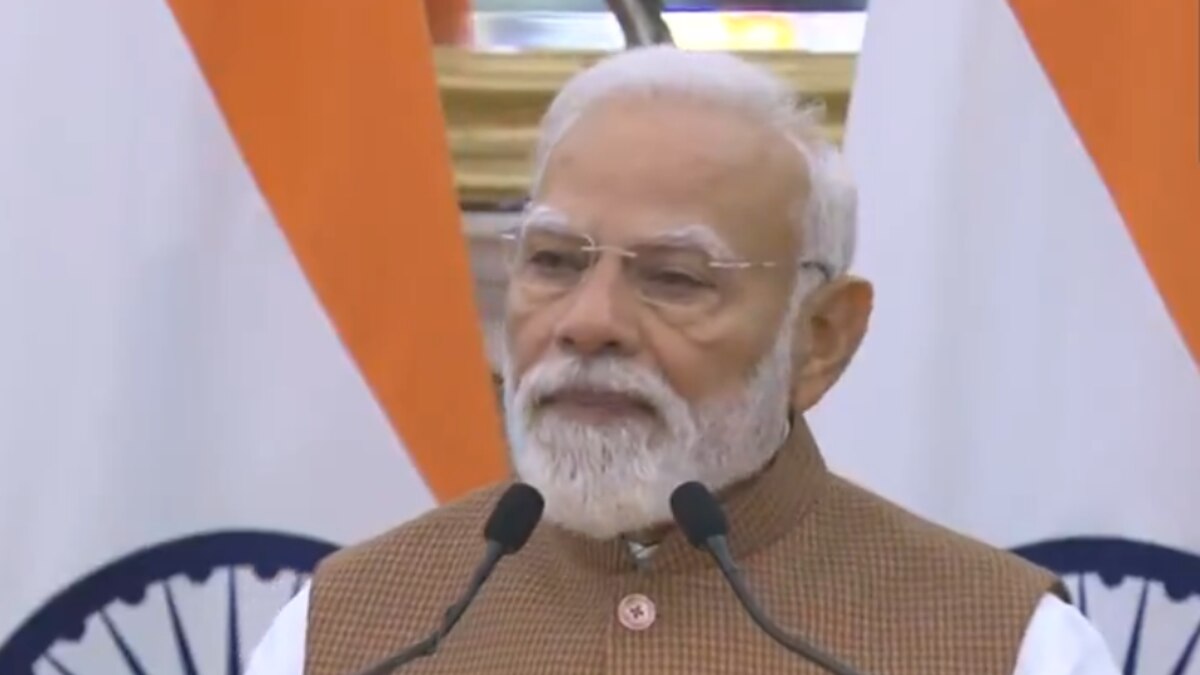
On March 5, 2026, Prime Minister Modi spoke about the worsening situation in Iran. He expressed deep concern over the loss of life and the destruction caused by the military strikes. The Prime Minister used his platform to remind world leaders that war only brings pain and does not lead to lasting solutions. He urged the countries involved to put down their weapons and start talking. This message follows India’s long-standing policy of staying neutral while encouraging peace in the Middle East.
Important Numbers and Facts
The conflict has already led to a significant rise in global crude oil prices, which jumped by over 10% in just a few days. Reports suggest that thousands of people have been forced to leave their homes due to the fighting. India has a large number of citizens working in the Middle East, and their safety is a top priority for the government. The trade route through the Persian Gulf, which handles a huge portion of the world’s oil supply, is currently under threat. These facts explain why the Indian government is so focused on bringing the war to an end quickly.
Background and Context
To understand why this matters, we must look at India’s relationship with Iran. For many years, India and Iran have worked together on energy and trade. India has also invested in the Chabahar port in Iran, which helps Indian goods reach Central Asia without going through Pakistan. When there is a war in Iran, all of these projects are put on hold. Furthermore, PM Modi has a history of calling for peace. He famously told other world leaders in the past that "today's era is not an era of war." This new statement is a continuation of his belief that dialogue is the only way to move forward in the modern world.
Public or Industry Reaction
Many experts in international politics have praised India’s balanced approach. They note that India is one of the few countries that maintains good relations with almost all sides in the Middle East. Business leaders are also watching the situation closely. They hope that PM Modi’s influence can help slow down the fighting. On social media, many people are sharing the Prime Minister’s words, hoping that a ceasefire can be reached soon. However, some critics wonder if words alone will be enough to stop the heavy military action currently taking place on the ground.
What This Means Going Forward
In the coming weeks, India may take a more active role in trying to mediate the conflict. This could involve hosting peace talks or sending diplomats to speak with leaders in the region. The main goal will be to find a middle ground where both sides feel safe enough to stop fighting. If the war does not stop, India might have to look for new ways to get its oil and protect its trade. The government will also keep a close eye on the safety of Indian workers living near the conflict zone. The next few days will be critical in seeing if the call for restraint is heard.
Final Take
The message from India is clear: peace is the only path to a stable future. While the war in Iran presents a massive challenge, PM Modi’s call for dialogue offers a way out of the violence. The world now waits to see if the fighting parties will choose the path of war or the path of peace. For the sake of the global economy and human lives, many hope they choose to talk.
Frequently Asked Questions
Why is PM Modi calling for peace in Iran?
He believes that war does not solve problems and only causes suffering. Peace is also important for India’s energy security and trade.
How does the Iran war affect India?
The war causes oil prices to rise, which makes things more expensive in India. It also threatens the safety of Indian citizens working in the region and hurts trade routes.
What is "restraint" in this context?
Restraint means showing self-control. PM Modi is asking the military forces to stop attacking and avoid making the situation worse with more violence.