 (1).png)

Summary
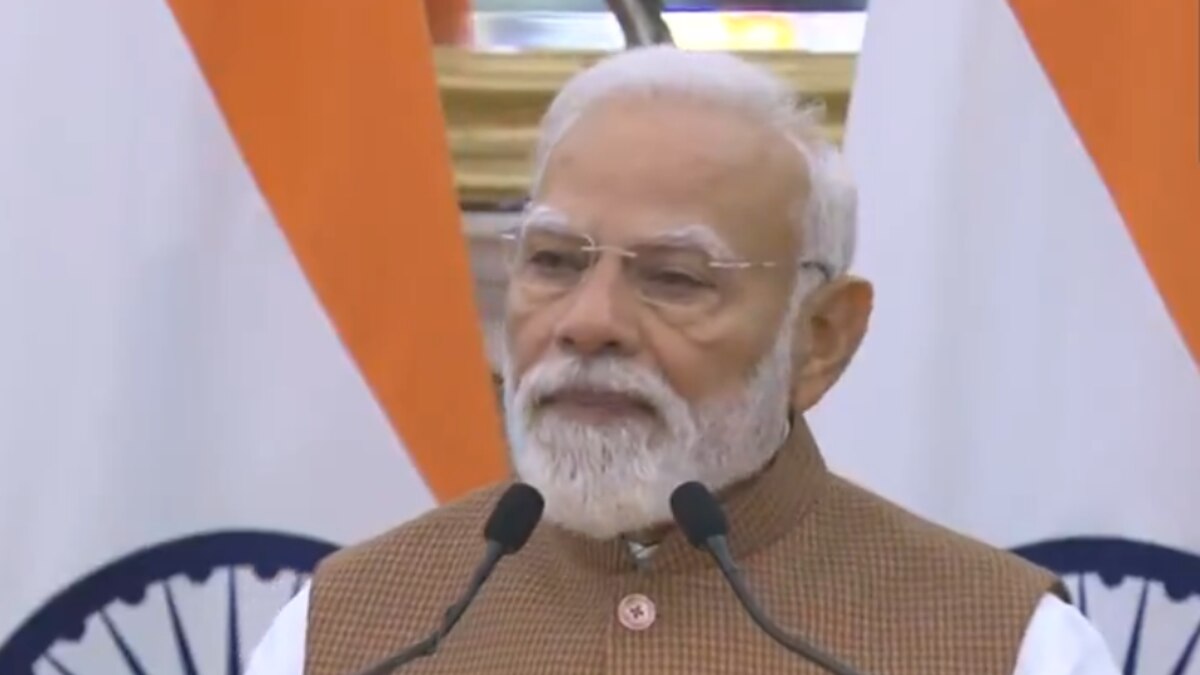
Prime Minister Narendra Modi has issued a strong call for peace as the military conflict in Iran continues to grow. He stated that war is never a solution to problems and urged all involved parties to show restraint. This message comes at a time when the fighting is causing great worry across the globe. India is pushing for a return to talks and diplomacy to prevent the situation from getting worse and to protect the global economy.
Main Impact
The most immediate impact of this statement is India’s clear position on the world stage as a promoter of peace. As the war in Iran intensifies, the world is seeing a sharp rise in the cost of living, especially regarding fuel and energy. By speaking out, the Prime Minister is highlighting that modern wars do not stay local; they affect every country by breaking trade routes and making basic goods more expensive. India’s stance helps put pressure on global leaders to find a way to stop the violence before it spreads further into the region.
Key Details
What Happened
On March 5, 2026, the Prime Minister shared his concerns about the heavy fighting taking place in Iran. He pointed out that using military force leads to long-term pain and does not fix the original issues between nations. He asked for an immediate stop to the violence and suggested that the only way to move forward is through sitting down and talking. This message was shared as international news reports showed an increase in missile strikes and ground battles in the area.
Important Numbers and Facts
The conflict has already caused a major jump in global oil prices, with some markets seeing a 15% increase in just a few days. Iran sits near the Strait of Hormuz, a narrow water path where about 20% of the world's oil passes through. If this path is blocked because of the war, prices could go even higher. Additionally, there are millions of Indian citizens living and working in the Middle East. Their safety is a major concern for the Indian government, which is closely watching the situation to see if evacuation plans are needed.
Background and Context
To understand why this matters, we must look at how much the world relies on the Middle East. Iran is a very important country for energy and trade. India has a long history of working with Iran on projects like the Chabahar Port, which helps India trade with Central Asia. When a war happens in this part of the world, it creates a chain reaction. Ships cannot move safely, insurance costs for transport go up, and countries that buy oil have to pay much more. India has always tried to stay neutral and encourage countries to solve their problems without using guns or bombs. This policy is often called "strategic autonomy," where India makes its own choices based on the goal of global peace.
Public or Industry Reaction
The reaction to the Prime Minister’s call for restraint has been significant. Business leaders in India have expressed relief that the government is pushing for peace, as they fear that a long war will lead to high inflation. Around the world, other leaders have also started to call for a ceasefire, fearing that the war could pull in more countries. On social media, many people are worried about the safety of civilians in the war zone. Financial experts say that stock markets will remain shaky until there is a clear sign that the fighting will stop. Most people agree that a peaceful solution is the only way to prevent a global economic disaster.
What This Means Going Forward
Looking ahead, the next few weeks will be critical. If the call for restraint is ignored, the war could grow into a much larger regional battle. This would be bad for everyone. India will likely continue to talk to leaders on both sides to see if it can help start a dialogue. There is also a possibility that international groups like the United Nations will take stronger steps to bring about a ceasefire. For regular people, this means that the prices of petrol and diesel might stay high for a while. Governments will have to work hard to make sure that food and energy supplies are not cut off by the fighting.
Final Take
The message from the Prime Minister is a clear reminder that in our modern world, nobody truly wins a war. While military action might seem like a quick fix, it only creates more anger and instability. The focus must remain on protecting human lives and keeping the global economy stable. Only through calm talk and fair negotiation can a lasting peace be found. The world is watching closely, hoping that the call for restraint is heard before the damage becomes impossible to repair.
Frequently Asked Questions
Why did the Prime Minister call for restraint in the Iran war?
The Prime Minister believes that military conflict is not the answer to modern problems. He wants to prevent more loss of life and stop the war from hurting the global economy and energy supplies.
How does the war in Iran affect India?
The war causes oil prices to go up, which makes transport and goods more expensive in India. It also puts the safety of many Indian citizens living in the Middle East at risk.
What is the "Strait of Hormuz" and why is it important?
It is a narrow sea passage near Iran where a large portion of the world's oil is shipped. If it is closed or becomes dangerous due to war, it can cause a global energy crisis.