 (1).png)

Summary
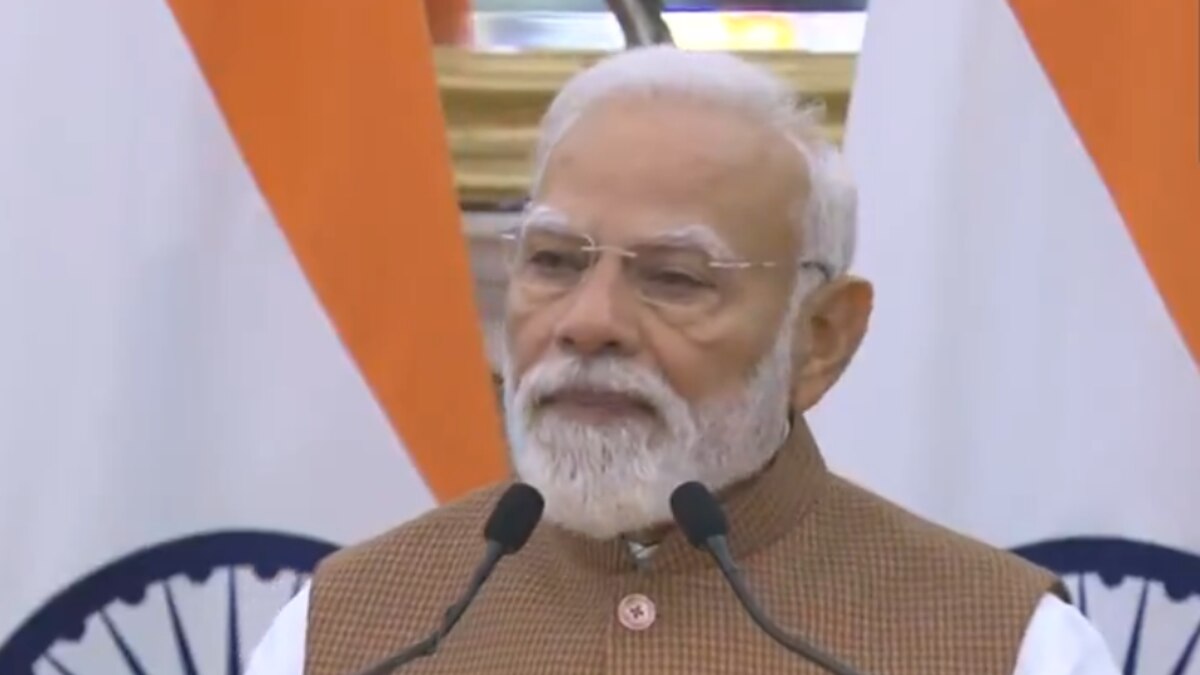
Prime Minister Narendra Modi has stated that military conflict is never the right way to solve problems between nations. He expressed deep concern over the ongoing wars in Ukraine and Iran, calling for an immediate return to peaceful talks. The Prime Minister emphasized that the world needs stability and cooperation rather than more fighting. His message highlights India's long-standing belief that dialogue is the only path to a lasting resolution for global crises.
Main Impact
The Prime Minister’s comments carry significant weight as the world deals with the economic fallout of multiple wars. By speaking out against the conflicts in Ukraine and Iran, India is positioning itself as a voice for peace and global stability. These wars have caused major problems for the global economy, leading to higher prices for fuel, food, and everyday goods. Modi’s call for restraint is intended to remind world leaders that the costs of war are far higher than the costs of making peace.
Key Details
What Happened
On March 5, 2026, Prime Minister Modi addressed the international community regarding the rising violence in several parts of the world. He specifically pointed to the long-running war in Ukraine and the more recent escalations involving Iran. He noted that these conflicts do not just affect the countries involved but hurt the entire world. The Prime Minister urged all sides to stop the violence and sit down at the table to discuss their differences through diplomacy.
Important Numbers and Facts
The war in Ukraine has been going on for several years, leading to a massive loss of life and the displacement of millions of people. Meanwhile, the tension in the Middle East involving Iran has caused global oil prices to jump significantly in the last few months. India, which relies heavily on imported oil, is directly affected by these price changes. The Prime Minister repeated his famous message that "today's era is not an era of war," a statement that has become a central part of India's foreign policy since 2022.
Background and Context
To understand why this matters, we have to look at how the world is connected. When two countries fight, it stops ships from moving goods and makes it harder for farmers to sell their crops. For example, Ukraine is a major supplier of grain, and Iran sits near important routes for oil tankers. If these areas are not safe, the price of bread and gasoline goes up for everyone, including people in India. India has tried to stay neutral in these fights so that it can talk to both sides and help find a way to end the violence.
Public or Industry Reaction
Many international experts and world leaders have reacted to the Prime Minister’s statement. Some believe that India could act as a middleman to help start peace talks between the warring nations. Business leaders in the energy and shipping sectors have also welcomed the call for peace, as they are worried about the safety of their workers and the rising costs of doing business. While some countries want India to take a more aggressive side, many developing nations agree with Modi that the focus should be on fixing the economy and helping poor people instead of spending money on weapons.
What This Means Going Forward
In the coming weeks, India is expected to use its diplomatic channels to push for a ceasefire in both regions. This might involve high-level meetings with leaders from the United States, Russia, and Iran. If the fighting continues, there is a risk that the global economy could slow down even more. However, if the Prime Minister’s call for restraint is followed, it could lead to a period of cooling down where countries start to focus on trade and reconstruction. The next few months will be critical in seeing if the world chooses the path of talk or the path of further conflict.
Final Take
The message from the Prime Minister is a simple but powerful one: war is not a solution for the 21st century. As the situations in Ukraine and Iran remain tense, the call for peace serves as a necessary reminder that human lives and economic health must come first. Only through honest talk and a willingness to listen can the world move past these dark times and build a more stable future for everyone.
Frequently Asked Questions
Why is India concerned about the war in Iran?
India is concerned because Iran is located near major oil shipping routes. Any conflict there can cause oil prices to rise, which makes everything more expensive for Indian citizens and businesses.
What does "this is not an era of war" mean?
This is a phrase used by PM Modi to explain that in the modern world, countries should solve their problems through technology, trade, and talking rather than using guns and bombs.
Can India help stop these wars?
India has good relationships with many of the countries involved. This puts India in a unique position to encourage both sides to stop fighting and start peaceful negotiations.